Yahoo! News Search Results for election 2010

Showing posts with label diseases. Show all posts

Thursday, December 31, 2009

Diabetes as an Autoimmune Disease


Many scientists now believe that type I diabetes is the result of the body's immune system attacking its own insulin-producing beta cells in the pancreas. This begins way back during infancy.

When a baby is born, its immune system has not yet developed an "understanding" of what it should or should not attack. The cells in the immune system more or less know what belongs to the body and what is foreign. But they do not yet recognize the various diseases. There is no need for a baby to be born with an immunity to every kind of disease. For example, it is very unlikely that a baby born in Thailand or in the Philippines would ever need to use an immunity to diseases such as Yellow Fever or African sleeping sickness.

As the baby grows, he is gradually exposed to germs of various kinds. With some, such as measles or chckenpox, the young child may become sick with the disease once, but later he will be immune to that particular disease.

For other kinds of germs, such as smallpox, diphtheria, tetanus, polio, etc., the baby gets an immunization when he is still very small. The doctor or nurse injects a small amount of treated germs for the particular disease. Those germs do not actually cause the disease, but the immune cells recognize them as a foreign kind of protein and go on the attack. Later, the child will have an immunity to those diseases for which he received the immunizations.

Whether the child develops an immunity through having the disease or through having the injections, the body's defense system is actually functioning in the same way.

In the body, the white blood cells carry out the work of protection. Among this army of white blood cells are the special T cells, which are the attack force against foreign proteins such as germs. If a foreign protein enters the body, these T cells launch an immediate advance on the "enemy".

Another vital unit in the white blood cell army consist of the B cells. These B cells produce antibodies against specific types of invaders, such as measles or polio or smallpox. These antibodies are what give the body its future immunity against a particular kind of disease.

Suppose that Baby Lina had her BCG immunization against tuberculosis when she was only three days old. When she is two years old, Lina and her mother are riding on a bus. The old woman sitting next to them coughs several times. No one knows that she has tuberculosis. But as Lina sits on her mother's lap, she breathes in some of the tuberculosis germs that the old woman has coughed out.

Fortunately, Lina's white blood cells have met tuberculosis before - when she had her BCG immunization. Way back then, her B cells produced antibodies against proteins of the tuberculosis germs. Now, as this same enemy invades again, there is a whole arsenal of weapons ready and waiting just for tuberculosis.

The white cells waste no time sitting around analyzing whether this is really tuberculosis or possibly some other kind of foreign protein that is just similar to tuberculosis. When they see something that looks like it might be tuberculosis, the defenders strike. Apparently the body's immune system, in its efforts to defend quickly, may sometimes attack look-alikes.

And this is what researchers suspect may be causing type I diabetes in at least some children who already have that genetic tendency toward diabetes. Only in this case, cow's milk may be the enemy.

Cow's milk contains several different proteins. An adult's digestive system is prepared to handle these proteins. However, a baby does not have all the necessary digestive enzymes to break down these proteins into amino acids. It appears that one of these cow's milk proteins may be somewhat of a look-alike with the beta cells in the pancreas. Therefore, if the small baby is given cow's milk to drink, his body may develop an immunity against that particular protein. Later, the antibodies against the cow's milk protein may begin to attack and destroy the insulin-producing beta cells instead. this destruction process may go on for weeks, months, or even years before the person actually shows the signs and symptoms of diabetes.

Obviously, every baby who drinks cow's milk is not doomed to get diabetes. Yet scientists have already collected enough evidence that they are now more suspicious of milk that ever before.

Mother's milk has always been the best food for babies. Now, it seems that there are even more reasons for breastfeeding. A nutrition expert predicted years ago that the time would come when it would no longer be safe to drink milk. It appears, at least for babies, this may be true. Because of the possible link with diabetes and for other reasons as well, the American Academy of Pediatrics has recommended that mothers avoid giving whole cow's milk to babies under twelve months old.

Source: Sickeningly Sweet (What You Really Need To Know About Diabetes) by Marilyn Johnson

Sunday, January 6, 2008

Diphtheria

Diphtheria is a highly contagious bacterial disease. The bacteria that cause this disease most commonly infect the tonsils and other tissues in the throat, producing a toxin (poison) that circulates in the bloodstream. Symptoms include a fever, sore throat, and swollen glands. A thick, white membrane forms on the tonsils and may make breathing and swallowing difficult. The heart and nerves may also be affected, causing heart failure, paralysis, and sometimes death. The disease can be treated with a drug that neutralizes the toxin.

Diphtheria was once a widespread childhood disease that caused many deaths. Today routine vaccination of infants has nearly eliminated the disease in the United States.

Sunday, December 16, 2007

Osteoporosis in men, possible?

In the past years, it was believed that post menopausal women were more likely to have osteoporosis, a disease of bone - leading to an increased risk of fracture, than old men. However, a study conducted by scientist showed that 1/3 of old men have fractured hips and vertebrae because of osteoporosis.

The main cause of male osteoporosis is the unhealthy lifestyle (i.e. genetic predisposition, lowered levels of androgen and testosterone (usually in tandem with small testes), insufficient physical activities, smoking, drinking alcoholic beverages, low calcium intake, deficient absorption of calcium, and decreased levels of Vitamin D). Because of this, more and more old men acquire this disease.

That's why, experts strongly recommend clean and healthy lifestyle to avoid having diseases, such as male osteoporosis.

What are Tics and Tourette Syndrome?

Tics are repetitive, involuntary, suppressible, uncontrollable and constantly changing movements or actions or making sounds. These are sudden movements that last for few seconds. Tics can disappear as time pass by. However, this condition can get worsen to become a disorder.

There are two types of tics: motor tics (i.e. facial movements such as blinking, jerking, and involuntary movement of the head and other parts of the body) and vocal tics (i.e. coughing, whistling and creating animal-like sounds). There is also combined motor-vocal tics, which might be symptoms of Tourette Syndrome or TS, which was named after the doctor who first diagnosed the syndrome, Dr. George de Tourette.

According to studies, 1 out of 1000 people can have Tics or TS worldwide. In United States of America, there are 2000 people having Tourette Syndrome, and mostly are boys because boys are 4 times more likely to have tics and TS than girls. Also, tics of boys of age 2-15 have more chance of leading to Tourette syndrome.

Causes:

TS occurs when there is a problem with the neurotransmitters of the brain, in which there is a difficulty in sending nerve signals from a cell to another. Some says that infections, such as staphylococcal infection, can cause tics or TS. Some also says that exposure to certain chemicals can be a cause. Some studies showed that problems during pregnancies can affect the brain of the child in the womb, thus, may result to tics or, worse, Tourette syndrome. However, the mos common cause, and is widely accepted by the scientists, is that tics and TS are hereditary, whic means that it can be passed from parents to offspring.

Treatments:

No particular treatment or drugs was discovered yet for the Tourette disorder to disappear. Although Tics and TS can disappear as a person grows old, it is not through medication. However, there are ways to prevent the disease to get worsen. These are medicines that can be prescribed by neurologist. So, if you noticed that one of your family members or friends have signs of tics and/or TS, refer immediately to the neurologist.

Monday, November 26, 2007

What are Treatments for Bronchitis?

Conventional treatment for acute bronchitis may consist of simple measures such as getting plenty of rest, drinking lots of fluids, avoiding smoke and fumes, and possibly getting a prescription for an inhaled bronchodilator and/or cough syrup. In severe cases of chronic bronchitis, inhaled or oral steroids to reduce inflammation and/or supplemental oxygen may be necessary. Alternative choices, by and large, help relieve the accompanying discomfort but do not treat infections.

Conventional Medicine

In healthy people who have normal lungs and no chronic health problems, antibiotics are not necessary, even when the infection is bacterial. The productive (phlegm-producing) coughing that comes with acute bronchitis is to be expected and, in most cases, encouraged; coughing is your body's way of getting rid of excess mucus. However, if your cough is truly disruptive -- that is, it keeps you from sleeping or is so violent it becomes painful -- or nonproductive (dry and raspy sounding), your doctor may prescribe a cough suppressant. In most cases, you should simply do all the things you usually would do for a cold: Take or acetaminophen for discomfort and drink lots of liquids.

If you have chronic bronchitis, your lungs are vulnerable to infections. Unless your doctor counsels against it, get a yearly flu shot as well as a vaccination against pneumonia. The pneumonia vaccine is typically a one-shot procedure: One vaccination will protect many for life against the common strains of the disease. Occasionally a second or booster shot is required.

Do not take an over-the-counter cough suppressant to treat chronic bronchitis unless your doctor directs you to do so. As with acute bronchitis, the productive coughing associated with chronic bronchitis is helpful in ridding the lungs of excess mucus. In fact, your doctor may even prescribe an expectorant if your cough is relatively dry. However, if you notice any changes in the color, volume, or thickness of the phlegm, you may be coming down with an infection. In that case, your physician may prescribe a 5 to 10-day course of broad-spectrum antibiotics, which fight a range of bacteria. If you are overweight, your doctor may insist that you diet to avoid putting excessive strain on your heart. If you have COPD (as demonstrated by an abnormal spirometry breathing test), many doctors also prescribe an anticholinergic bronchodilator, drugs that temporarily help dilate the lungs' constricted airways. However, the most important and most successful treatment for chronic bronchitis and COPD is smoking cessation. Your doctor may also prescribe steroids to reduce inflammation in the airways.

In severe cases of chronic bronchitis with COPD, if your body's ability to transfer oxygen from your lungs into the bloodstream is significantly handicapped, your doctor may prescribe oxygen therapy, either on a continuous or on an as-needed basis. Oxygen-delivering devices are widely available. If you use an oxygen tank at home, be sure to take special care not to expose the apparatus to flammable materials (alcohol and aerosol sprays, for example) or to sources of direct heat, such as hair dryers or radiators.

If you smoke, your doctor will urge you to quit. Studies show that people who kick the habit even in the advanced stages of chronic bronchitis and COPD not only can reduce the severity of their symptoms but also can increase their life expectancy.

At-Home Remedies

For acute bronchitis:

During the acute phase of your illness when you are experiencing fever, shortness of breath, or wheezing, stay at home, keep warm, and drink plenty of fluids. You don't necessarily need to stay in bed, but don't overextend yourself. Consider using a vaporizer, or try inhaling steam over a sink full of hot water.

For chronic bronchitis:

Avoid exposure to paint or exhaust fumes, dust, and people with colds. Consider using a vaporizer or inhaling steam over a sink full of hot water. Dress warmly in cold, dry weather. Get help to quit smoking.

Sunday, November 25, 2007

What is Bronchitis?

Bronchi are passageways that carry air to the lungs. When the bronchi became inflamed, mucus and pus will be formed. This disorder is called bronchitis.

One of the symptoms of bronchitis is the noisy coughing. The coughing helps clear the mucus and other secretions in the bronchi.. To help loosen the mucus, the doctors may prescribe medications, or breathing moist air from vaporizer.

Bronchitis may be caused by viruses and bacteria that live in the nose and throat. Chemicals, especially in smog and tobacco smoke, may also irritate the bronchi, thus, may lead to bronchitis.

Cigarette smoking may lead to chronic bronchitis, a condition in which a person affected are never free from cough, or haven't recovered from the disorder for many years

What is an arthritis?

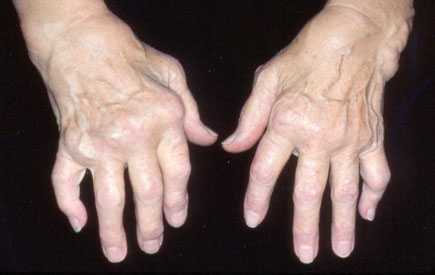
Arthritis is a condition in which there is soring, inflammation and stiffening of the joints. There are two known types of arthritis: Osteoarthritis, which is the common kind, and the Rheumatoid arthritis.

In osteoarthritis, cartilage, or the springy tissues, at the ends o the bones is worn away. When the ends of the bones rub together without their natural cushion, they become rough and sore. Osteoarthritis usually occurs at the age of over 65 years.

Rheumatoid arthritis is different from osteoarthritis in a sense that it often occurs in the age of as young as 30 years old, or even younger. A tough layer of inflammatory tissue grows around the joints and cripples them. Then, fluids may be developed in the joints. Due to this, the joints become enlarged, painful and stiff.

Arthritis may get worse as time goes on for some persons. However, in other, it seems to stop at a certain point.

Treatment

A cornerstone of therapy of any form of arthritis is physical therapy and occupational therapy to maintain joint mobility and range of motion. The proper kind and amount of this therapy will vary depending upon the underlying cause and upon individual factors that your physician will discuss with you.

Many drugs are now used to treat the inflammation and pain associated with arthritis. Aspirin and other nonsteroidal anti-inflammatory drugs (NSAIDs), such as ibuprofen (Motrin, and others), naproxen (Naprosyn, and others) and dicolfenac (Voltaren), have immediate analgesic and anti-inflammatory effects and are relatively safe.

Second-line drugs used for treatment of rheumatoid arthritis include hydroxychloroquine, gold, penicillamine, azathioprine, sulfasalazine and methotrexate. These agents (which have no immediate analgesic effect) can control symptoms and may possibly delay progression of the disease, but many of them can also cause severe adverse effects and diminish in effectiveness over time. NSAIDs are usually taken concurrently with the slower acting second-line drugs, which may take months to produce a therapeutic response.

Aspirin in high doses is as effective as any other NSAID and much less expensive, but some patients cannot tolerate the gastrointestinal toxicity. Aspirin interferes with platelet function and can rarely cause serious bleeding; this effect can persist for four to seven days after the drug has been discontinued.

Tinnitus (ringing in the ears) and rarely, hepatitis (liver inflammation) or renal (kidney) damage can also occur with high-dosage aspirin therapy. Enteric-coated aspirin is safer but may not be fully absorbed. Nonacetylated salicylates, such as sodium salicylate, salsalate (Disalcid, and others), and choline magnesium salicylate (Trilisate, and others), do not interfere with platelet function and may be safer than acetylated salicylates for aspirin-sensitive patients, but some clinicians have questioned their effectiveness.

What is an arteriosclerosis?

Young, healthy blood vessels are smooth and pink. They stretch with the flow of blood. For example, the flow of blood increases when a person excercises heavily, arteries widen to carry increased blood circulation.

A layer of fatlike substance may often form within the walls of the blood vessels as a person grows older. This extra layer interferes with the flow of blood. Sometimes, calciu collects on the fatty layer. Eventually, the space for the blood to flow becomes narrower and the walls of the blood vessels become stiffer. This kind of condition is known as arteriosclerosis, or the hardening of the arteries.

This condition has many causes, such as cigarrette smoking and high blood pressure. These two can speed up the hardening of the arteries. Another causes may be eating foods which have high cholesterol and contains too much fat, complemented by not getting enough exercise.

When the layers inside become very thick, the heart works harder to pump the blood through a very narrow opening. Sometimes, a weak place forms in the damaged artery walls and bulges like a ballon. This condition is called aneurysm. Sometimes, the inside of the artery wall is uneven and rough. Blood sticks to one of those rough places, and more blood blocks up behing it. A blood clot may form this way and block a blood vessel competely. When these things happen, the blood supply for some parts of the body may be lessened or stopped. If this happens to the artery supplying blood to the heart, the person will have a heart attack. On the other hand, if this happens to the artery supplying blood to the brain, the person will have a stroke.

Treatment

Treatment for arteriosclerosis can vary, determined by the amount of blockage an artery has suffered from a plethora of external causes. This disease refers to the arterial cells that make up the arterial walls containing a repair defect. Seeing a doctor is recommended for people who have a blocked artery which is plugged and unstable. Muscle growth is caused in the artery's wall component. Without aid, insufficient oxygen is delivered to tissues and it causes blood clots. The most common early stage atherosclerosis treatment is a nutrient mix, developed by doctors, that halts and may even reverse early stage arteriosclerosis.

This mix must be consumed at least twice daily on a long term basis in order to facilitate the effective repair of the arterial cells. In addition to the nutrient mix treatment for arteriosclerosis, a change in lifestyle is advised. This equates to no smoking, weight loss if overweight, less alcohol consumption, reduction of saturated fats in a diet, and an increase in fresh fruits and vegetables. Atherosclerosis treatment lifestyle changes also include the inclusion of complex carbs into the diet, and a low dose of aspirin to thin the blood so it may flow easier through the clogged artery.

Another option includes balloon angioplasty. Balloon angioplasty atherosclerosis treatment is described as a tube passing down the artery using an x-ray for guidance. Once in place, the tube releases a balloon which is blown up to widen the artery and allows blood to flow through at a better rate. This may be needed for people who have select risks such as: super high cholesterol, a deficiency of nutrients resulting in a second rate arterial cell repair process, sugar-insulin mismatches, hormonal imbalances, fatigued mitochondria, immune defects, impaired detoxification capacity, or a lack of needed fish oils.

If the above mentioned risks are combined, a doctor's assistance may be necessary. To determine whether or not to test for atherosclerosis treatment, a list of symptoms should be given to the doctor to help recognize the condition and establish a plan of attack. Symptoms include: headache, dizzy spells, ringing in ears, memory problems, poor concentration, and mood changes. Chest pain (angina), and elevated blood pressure, may be telltale signs of a serious problem. For those needing treatment for arteriosclerosis in the arm and leg arteries, symptoms may include: aching muscles, fatigue, cramping pains in calves, and pain in the hips and thighs. If any problem is suspected, it is advised to seek a doctor's professional opinion in order to be treated if needed. "Trust in the Lord with all thine heart; and lean not unto thine own understanding. In all ways acknowledge him, and he shall direct thy paths." (Proverbs 3:5-6)

Thursday, November 22, 2007

What is an acute appendicitis?

Inflammation in the right lower quadrant was considered a nonsurgical disease of the cecum (typhlitis or perityphlitis)until Fitz recognized acute appendicitis as a distinct entity in 1886. Appendiceal inflammation is associated with obstruction in 50 to 80% of cases, usually in the form of a fecalith and less commonly, a gallstone, tumor or ball of worms. Continued secretion of mucinous fluid in the obstructed viscus presumably leads to a progressive increase in intraluminal pressure sufficient to cause eventual collapse of the draining veins. Ischemic injury then favors bacterial proliferation with additional inflammatory edema and exudation, further embarassing the blood supply. Nevertheless, a significant minority of inflamed appendices have no demostrable luminal obstruction, and the pathogenesis of the inflammation remains unknown.

Acute apendicitis is mainly a disease of adolescents and young adults, but it may occur in any age group and affects males slightly more often that females. Classically acute appendicitis produces the following manifestations, in the sequence given:

  • pain, at first periumbilical but then localizing to the right lower quadrant
  • nausea or vomiting
  • Abdominal tenderness, particularly in the region of appendixmild fever
  • An elevation of the peripheral white blood cell count up to 15,000 to 20,000 cell/mm3
Regretably, this classic presentation is more often absent than present. Although pains, nausea, and vomiting usually develop, tenderness may be deceptively absent or maximal in atypical locations. In some cases, a retrocecal appendix may generate right flank or pelvic pain, whereas a malrotated colon may give rise to appendicitis in the left upper quadrant. The peripheral leukocytosis may be minimal or so high as to suggest alternative diagnoses. Nonclassic presentations are encountered more often in young children and in the very elderly, populations with a host of other plausible abdominal emergencies.

Wednesday, November 21, 2007

What is an anemia?

Anemia means a shortage of red blood cells -- which function is to carry oxygen -- or a shortage or iron-containing hemoglobin, the chemical that carries oxygen and gives red cells their color.

There are many different causes of anemia. An example of these is the loss of blood due to an injury, which may lead to temporary anemia. The patient, in this case, should be given a blood transfusion. Soon the patient's body will produce new red blood cells and the body's function will be back to normal. Another cause of anemia is inheritance. Sickle-cell anemia is an inherited disease that cause the premature destruction of the red blood cells.

Other kinds of anemia occurs because the body's chemistry is not working right. There might be something wrong in the bone marrow, where red blood cells were prodeced. The most common cause of anemia in children is a diet low in certain foods that are needed in making hemoglobin -- foods such as meat, fish, green vegetables, whole grains, and nuts, which are all rich in either iron or vitamin B. Some people may have eaten these foods but indigestion may have occured.

How Do I Know If I Have Anemia?

To diagnose anemia, your doctor will likely do the following:
  • Take your medical history
  • Perform a physical exam
  • Order laboratory tests
You can help by providing detailed answers about your symptoms, family medical history, diet, medications you take, alcohol intake, and ethnic background. Your doctor will look for symptoms of anemia and other physical clues that might point to a cause.

Blood tests will not only confirm the diagnosis of anemia but also help point to the underlying condition. Blood tests may include the following:

  • Complete blood count (CBC), which determines the number, size, volume, and hemoglobin content of red blood cells
  • Blood iron level and your serum ferritin level, the best indicators of your body's total iron stores
  • Levels of vitamin B-12 and folate
  • Special blood tests to detect rare causes of anemia, such as an immune attack on your red blood cells, red blood cell fragility, and defects of enzymes, hemoglobin and clotting
  • For suspected hemolytic anemia, tests to identify the breakdown products of red blood cells in your blood and urine
Only in rare cases will a doctor need to remove a sample of bone marrow to determine the cause of your anemia.

What Are the Treatments for Anemia?

Your doctor will not treat your anemia until the underlying cause has been established. The treatment for one type of anemia may be both inappropriate and dangerous for another type of anemia.

What is an Alzheimer's disease?

Alzheimer's disease is the commonest cause of dementia with an estimated half a million sufferers in UK., is a condition in which the mind becomes unable to function properly. This disease causes degeneration in an area of the brain which is needed for the processing of information, retrieving old memories, and adding new memories.People with this disease tend to be forgetful, or lose their ability to remember, and cannot think clearly. As the disease progresses, the person with Alzheimer;s disease loses their capacity to care for themselves, and need to be taken care of by other people. They may become confused and forget to eat, or they may wander away from home and get lost.

The disorder rarely occurs under the age of 45 years. The risk of developing Alzheimer's disease increases with age. About 20 percent of people over age 80 will develop this disorder. Familial cases are occasionally seen.

Diagnosis may be established during life by the early memory failure and slow progression and by excluding other causes. CT scanning aids diagnosis by excluding multiple infraction or a mass lesion.

The cause of Alzheimer's disease is still unknown. An association with Down's syndrome suggests a disease locus on chromosome 21, and this has been confirmed in familial cases. Early research suggested selective lesions of neurotransmitter pathways occurred and a disorder of chrolinergic innervation was postulated. It is now known that many neurotransmitter pathways are defective.

No effective treatment exists. Transmitter augmentation therapy seems unlikely to be effective in view of the many neurotransmitters involved. A recent non-randomised study of the anticholinesterase THA claimed some limited success. Randomised trials are now in progress.

Monday, November 12, 2007

What is an Allergy?

An allergy is a sensitivity to normally harmless thing such as dust and pollen. A person has an allergy if he reacts to this harmless things abnormally -- weep, wheeze, itch, or sneeze. This is because the manner in which their immune system functions has changed and has made them more sensitive to the substance.

The cause of allergic reactions may be the substances that are breathed in, foods, and anything that touches the skin. These often affect the nose, eyes, lungs, or skin. Some allergies cause stomach upsets, and some make joints swell and ache, causing a fever. The most common allergic reactions are hay fever, asthma, hives and eczema.

Hay fever is caused by fine powders made by plants, known as pollens. Pollens that are considered most troublesome are those which are from grasses, trees, and weeds. Ragweed pollen causes many hay fever problems. The wind carries these pollen, and then be inhaled by the people. There are spring, summer, and fall types of hay fever. The symptoms are runny, itchy nose; watery, red eyes; and sneezing.

Asthma affects the muscles of the large and small branches of the windpipe. Asthmatic person, at some time, has a very narrow passageway for air, which makes it difficult for them to breathe. The person wheezes and coughs.

Asthma can be caused by substances that are breathed in, such as dust, pollen, animal hair, and feathers. Occasionally it is due to food allergy. But asthma is not always caused by an allergy. Emotional stress and infection can also bring on an attack of asthma.

Hives are raised spots on the skin that itch and burn. Foods or medicines cause most cases of hives.

Eczema is a red, itching skin rash that often becomes dry and scaly. Eczema in babies is generally caused by touching something to which the skin is sensitive, but food allergy can also be a cause. Chemicals, cosmetics, soaps, some dyes, fabrics, and fur may cause an allergic rash. Poison ivy rash is a common allergic skin reaction to a plant.

Prevention is better than cure. That's why, the best treatment for allergies is to avoid the things that cause an allergic reaction. However, sometimes, this is hard to do. Then the doctor may try to make the patient less sensitive to a particular thing. A series of injections containing the material to which the patient is sensitive is given, starting to a very small amount and then gradually building up to a larger amount. The patient may be given also antihistamines, corticosteroids, or other drugs that controls the symptoms or block the body's sensitivity.

Allergies can be dangerous. They may be fatal when it lead to anaphylaxis, a sudden reaction of a blood vessels and lungs. A prompt injection of hormone epinephrine can stop the reaction and save the patient's life.

What is Eczema?

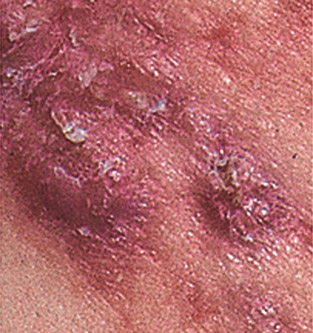
Eczema, also known as dermatitis, is a reaction pattern that presents with variable clinical and histological findings. It is the final common expression for a number of disorders which includes atopic dermatitis, allergic contact and irritant contact dermatitis, dyshidrotic eczema, nummular eczema, lichen simplex chronicus, asteatotic eczema, and seborrheic dermatitis. Primary lesions, which include papules, erythematous macules, and vesicles, can coalesce to form patches and plaques. Secondary lesions from infection or excoriation, marked by weeping and crusting, may predominate in severe eczema. Long-standing dermatitis is often dry and is characterized by thickened, scaling skin.

Friday, November 9, 2007

What is AIDS?

Acquired Immune Deficiency Syndrome (AIDS) emerged in the mid-1970's. AIDS, considered as a major health threat, is a diseased caused by a virus that attacks various cells in the body, usually the cells in the immune system. When the virus attacks these cells, the immune system, which functions for the protection of the bod against infections, becomes weak, or deficient. (The name "acquired immune deficiency syndrome' actually describes the condition that results). When the immune system has been weakened, all sorts of diseases may easily take hold in our body, including diseases which are rare and incurable. Eventually, one or more of these diseases will kill the person with AIDS.

AIDS is a progressive disease. At first, people are infected with the virus but show no symptoms. However, they can spread the infection to others, usually through sexual intercourse. The virus acts slowly, and over time, ten years or more, the immune system become weakened. Various symptoms may appear that can last a long time and may be very serious. Finally, the disease progresses to true AIDS. This is the end stage which is characterized by certain life-threatening infections, such as pneumonia, and often nervous disorders and sever weight loss.

How AIDS Spread

The AIDS, being present only in the body fluids, can be spread only through an exchange of certain fluids, which means that it is difficult for most people to acquire AIDS. In fact, researchers identified only 4 ways of spreading AIDS: sexual transmission, an exchange of blood, passing of a mother to her child during pregnancy or breast feeding, and blood transfusions (when the blood was donated by AIDS carriers).

Through many researches by the scientists, many unreasonable fears were laid to rest. There is no need to avoid someone who has AIDS because you do not catch the disease by just touching or being in a same room with the person with AIDS. The virus is not spread by sneezing or through food, drinking glasses, toilet seats or swimming pools. It is not carried by dogs, cats, or other domestic animals. And there is no evidence that it can be spread by biting insects , such as mosquitoes.

You will not also catch AIDS by donating blood because the needles used in this procedure are new. The chance also of receiving a transfusion of infected blood are very low because, nowadays, the bloods that are donated are screened. Indeed, the virus may be present in the infected person's saliva, but scientists know no case in which AIDS is transmitted through kissing. Also, the risk of becoming infected in a health-care setting is extremely small.

The Search for the Cure

Great progress has been made in understanding AIDS. The virus that causes the disease was identified in 1983: it is called HIV or human immuno-deficiency virus. Scientists have developed blood tests to find out if people have been infected. This tests look for AIDS antibodies, substance that the body produces in an effort to fight the virus.

But researches are still a long way from finding a cure for AIDS. Drugs have been found to show the progress of the disease, but they are not a cure and can cause serious side effects. Nor is there yet a vaccine that will protect people from AIDS. Until one is found, the best defense lies in teaching people to avoid those behaviors that spread the disease.

Wednesday, November 7, 2007

What is an acne?

Acne is a skin condition of the face, neck, and back. The most common signs of this problem are blackheads and pimples, which are caused by clogged skin pores.

Acne begins on the oil glands of the skin. The growing-up process, usually in the teenage stage, can cause the glands to produce large amounts of oil. This oil will then be changed into weak acid by bacteria. The acid will form sticky substance when combined with old cell shed from the lining of the pore. This sticky substance can plug the skin pore. A pimple will be formed when the plugged skin pore swells. On the other hand, a blackhead will be formed when a dark-colored plug rises to the surface of the skin. The color actually comes from melanin, a skin pigment.

Many persons who have acne try to squeeze out the blackheads which will cause the acid to spread to other parts of the skin, and will eventually result to scar. Squeezing the pimple can also spread the infection, resulting to a serious condition called a cystic acne.

Washing the skin with an acne condition with warm water and a mildly disinfectant soap twice a day, can be a very good solution to acne problems. Some ointments, especially the oily ones, may actually make acne worse. The oil glands that have caused the problem will usually become normal as one grows alder; the acne will usually go away, leaving no lasting damage, when the skin is treated properly.

Serious acne, such as cystic acne, should be consulted to a dermatologist. Dermatologists usually prescribe antibiotics to kill the bacteria. A substance made from vitamin A, when rubbed on the skin, greatly reduces oil production in the glands.

What are the causes of diseases?

There are many cause of diseases. Infectious diseases are caused by the invasion of tiny microorganisms, such as bacteria and virus, which enters the body and multiply to huge numbers. Some of the symptoms of these diseases are caused by the toxins that are produced by the microbes. Some signs, such as fever and swelling, are actually part of the defenses against infection.

Not all disease are results of infection. There are also Noninfectious diseases that are usually the result of something going wrong with the organs or functions of the body. in immunological diseases, for example, the immune system is working improperly. They may turn against the body's own cells, damaging them instead of protecting them. Some infectious disease are hereditary, diseases that are passed on from parents to children. There are also congenital disease (i.e. congenital heart disease), which means that they are present by birth.. Diseases of the body's chemistry can be caused by endocrine system disorders involving body hormones. In degenerative diseases, various parts of the body break down and lose their ability to work normally. In neoplastic diseases, including the many forms of cancer, the process of cell growth and reproduction run wild and form tumors.

Failure to eat a balanced diet or conditions in which the body is unable to use certain foods properly may result in nutritional diseases. Chemicals in the air, water and food as well as radiation, noise, and other influences that can affect people at home or at work may have damaging effects on the body. They can produce various occupational and environmental diseases. Mental and Emotional diseases, such as depression, may be the result of disorders in the body or influences in the environment. The mind can also have positive and negative effects on the health of the body.

Saturday, November 3, 2007

What are acute and chronic diseases?

Acute illness is an illness that comes on suddenly, such as an attack of vomiting after eating spoiled food. On the other hand, it is a chronic condition if the symptoms either continue or return from time to time for a period of months or years. Chronic diseases may become acute for a matter of time. An example is the diabetes, a chronic disease that is caused by improper storing and using of sugars by the body. However, by eating a special diet and taking certain drugs or injection of the hormone insulin, diabetics can usually keep their symptoms under control and lead a relatively normal life. But a diabetic who takes too much sugar or injects too much insulin may have a sudden acute attack that can result in unconsciousness.
Powered By Blogger