An allergy is a sensitivity to normally harmless thing such as dust and pollen. A person has an allergy if he reacts to this harmless things abnormally -- weep, wheeze, itch, or sneeze. This is because the manner in which their immune system functions has changed and has made them more sensitive to the substance.
The cause of allergic reactions may be the substances that are breathed in, foods, and anything that touches the skin. These often affect the nose, eyes, lungs, or skin. Some allergies cause stomach upsets, and some make joints swell and ache, causing a fever. The most common allergic reactions are hay fever, asthma, hives and eczema.
Hay fever is caused by fine powders made by plants, known as pollens. Pollens that are considered most troublesome are those which are from grasses, trees, and weeds. Ragweed pollen causes many hay fever problems. The wind carries these pollen, and then be inhaled by the people. There are spring, summer, and fall types of hay fever. The symptoms are runny, itchy nose; watery, red eyes; and sneezing.
Asthma affects the muscles of the large and small branches of the windpipe. Asthmatic person, at some time, has a very narrow passageway for air, which makes it difficult for them to breathe. The person wheezes and coughs.
Asthma can be caused by substances that are breathed in, such as dust, pollen, animal hair, and feathers. Occasionally it is due to food allergy. But asthma is not always caused by an allergy. Emotional stress and infection can also bring on an attack of asthma.
Hives are raised spots on the skin that itch and burn. Foods or medicines cause most cases of hives.
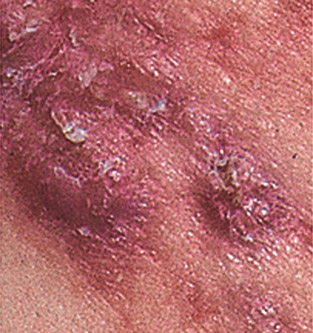
Eczema is a red, itching skin rash that often becomes dry and scaly. Eczema in babies is generally caused by touching something to which the skin is sensitive, but food allergy can also be a cause. Chemicals, cosmetics, soaps, some dyes, fabrics, and fur may cause an allergic rash. Poison ivy rash is a common allergic skin reaction to a plant.
Prevention is better than cure. That's why, the best treatment for allergies is to avoid the things that cause an allergic reaction. However, sometimes, this is hard to do. Then the doctor may try to make the patient less sensitive to a particular thing. A series of injections containing the material to which the patient is sensitive is given, starting to a very small amount and then gradually building up to a larger amount. The patient may be given also antihistamines, corticosteroids, or other drugs that controls the symptoms or block the body's sensitivity.
Allergies can be dangerous. They may be fatal when it lead to anaphylaxis, a sudden reaction of a blood vessels and lungs. A prompt injection of hormone epinephrine can stop the reaction and save the patient's life.