Yahoo! News Search Results for election 2010

Showing posts with label treatments. Show all posts

Monday, November 26, 2007

What are Treatments for Bronchitis?

Conventional treatment for acute bronchitis may consist of simple measures such as getting plenty of rest, drinking lots of fluids, avoiding smoke and fumes, and possibly getting a prescription for an inhaled bronchodilator and/or cough syrup. In severe cases of chronic bronchitis, inhaled or oral steroids to reduce inflammation and/or supplemental oxygen may be necessary. Alternative choices, by and large, help relieve the accompanying discomfort but do not treat infections.

Conventional Medicine

In healthy people who have normal lungs and no chronic health problems, antibiotics are not necessary, even when the infection is bacterial. The productive (phlegm-producing) coughing that comes with acute bronchitis is to be expected and, in most cases, encouraged; coughing is your body's way of getting rid of excess mucus. However, if your cough is truly disruptive -- that is, it keeps you from sleeping or is so violent it becomes painful -- or nonproductive (dry and raspy sounding), your doctor may prescribe a cough suppressant. In most cases, you should simply do all the things you usually would do for a cold: Take or acetaminophen for discomfort and drink lots of liquids.

If you have chronic bronchitis, your lungs are vulnerable to infections. Unless your doctor counsels against it, get a yearly flu shot as well as a vaccination against pneumonia. The pneumonia vaccine is typically a one-shot procedure: One vaccination will protect many for life against the common strains of the disease. Occasionally a second or booster shot is required.

Do not take an over-the-counter cough suppressant to treat chronic bronchitis unless your doctor directs you to do so. As with acute bronchitis, the productive coughing associated with chronic bronchitis is helpful in ridding the lungs of excess mucus. In fact, your doctor may even prescribe an expectorant if your cough is relatively dry. However, if you notice any changes in the color, volume, or thickness of the phlegm, you may be coming down with an infection. In that case, your physician may prescribe a 5 to 10-day course of broad-spectrum antibiotics, which fight a range of bacteria. If you are overweight, your doctor may insist that you diet to avoid putting excessive strain on your heart. If you have COPD (as demonstrated by an abnormal spirometry breathing test), many doctors also prescribe an anticholinergic bronchodilator, drugs that temporarily help dilate the lungs' constricted airways. However, the most important and most successful treatment for chronic bronchitis and COPD is smoking cessation. Your doctor may also prescribe steroids to reduce inflammation in the airways.

In severe cases of chronic bronchitis with COPD, if your body's ability to transfer oxygen from your lungs into the bloodstream is significantly handicapped, your doctor may prescribe oxygen therapy, either on a continuous or on an as-needed basis. Oxygen-delivering devices are widely available. If you use an oxygen tank at home, be sure to take special care not to expose the apparatus to flammable materials (alcohol and aerosol sprays, for example) or to sources of direct heat, such as hair dryers or radiators.

If you smoke, your doctor will urge you to quit. Studies show that people who kick the habit even in the advanced stages of chronic bronchitis and COPD not only can reduce the severity of their symptoms but also can increase their life expectancy.

At-Home Remedies

For acute bronchitis:

During the acute phase of your illness when you are experiencing fever, shortness of breath, or wheezing, stay at home, keep warm, and drink plenty of fluids. You don't necessarily need to stay in bed, but don't overextend yourself. Consider using a vaporizer, or try inhaling steam over a sink full of hot water.

For chronic bronchitis:

Avoid exposure to paint or exhaust fumes, dust, and people with colds. Consider using a vaporizer or inhaling steam over a sink full of hot water. Dress warmly in cold, dry weather. Get help to quit smoking.

Sunday, November 25, 2007

What is an arthritis?

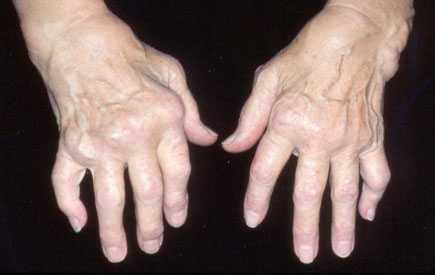
Arthritis is a condition in which there is soring, inflammation and stiffening of the joints. There are two known types of arthritis: Osteoarthritis, which is the common kind, and the Rheumatoid arthritis.

In osteoarthritis, cartilage, or the springy tissues, at the ends o the bones is worn away. When the ends of the bones rub together without their natural cushion, they become rough and sore. Osteoarthritis usually occurs at the age of over 65 years.

Rheumatoid arthritis is different from osteoarthritis in a sense that it often occurs in the age of as young as 30 years old, or even younger. A tough layer of inflammatory tissue grows around the joints and cripples them. Then, fluids may be developed in the joints. Due to this, the joints become enlarged, painful and stiff.

Arthritis may get worse as time goes on for some persons. However, in other, it seems to stop at a certain point.

Treatment

A cornerstone of therapy of any form of arthritis is physical therapy and occupational therapy to maintain joint mobility and range of motion. The proper kind and amount of this therapy will vary depending upon the underlying cause and upon individual factors that your physician will discuss with you.

Many drugs are now used to treat the inflammation and pain associated with arthritis. Aspirin and other nonsteroidal anti-inflammatory drugs (NSAIDs), such as ibuprofen (Motrin, and others), naproxen (Naprosyn, and others) and dicolfenac (Voltaren), have immediate analgesic and anti-inflammatory effects and are relatively safe.

Second-line drugs used for treatment of rheumatoid arthritis include hydroxychloroquine, gold, penicillamine, azathioprine, sulfasalazine and methotrexate. These agents (which have no immediate analgesic effect) can control symptoms and may possibly delay progression of the disease, but many of them can also cause severe adverse effects and diminish in effectiveness over time. NSAIDs are usually taken concurrently with the slower acting second-line drugs, which may take months to produce a therapeutic response.

Aspirin in high doses is as effective as any other NSAID and much less expensive, but some patients cannot tolerate the gastrointestinal toxicity. Aspirin interferes with platelet function and can rarely cause serious bleeding; this effect can persist for four to seven days after the drug has been discontinued.

Tinnitus (ringing in the ears) and rarely, hepatitis (liver inflammation) or renal (kidney) damage can also occur with high-dosage aspirin therapy. Enteric-coated aspirin is safer but may not be fully absorbed. Nonacetylated salicylates, such as sodium salicylate, salsalate (Disalcid, and others), and choline magnesium salicylate (Trilisate, and others), do not interfere with platelet function and may be safer than acetylated salicylates for aspirin-sensitive patients, but some clinicians have questioned their effectiveness.

What is an arteriosclerosis?

Young, healthy blood vessels are smooth and pink. They stretch with the flow of blood. For example, the flow of blood increases when a person excercises heavily, arteries widen to carry increased blood circulation.

A layer of fatlike substance may often form within the walls of the blood vessels as a person grows older. This extra layer interferes with the flow of blood. Sometimes, calciu collects on the fatty layer. Eventually, the space for the blood to flow becomes narrower and the walls of the blood vessels become stiffer. This kind of condition is known as arteriosclerosis, or the hardening of the arteries.

This condition has many causes, such as cigarrette smoking and high blood pressure. These two can speed up the hardening of the arteries. Another causes may be eating foods which have high cholesterol and contains too much fat, complemented by not getting enough exercise.

When the layers inside become very thick, the heart works harder to pump the blood through a very narrow opening. Sometimes, a weak place forms in the damaged artery walls and bulges like a ballon. This condition is called aneurysm. Sometimes, the inside of the artery wall is uneven and rough. Blood sticks to one of those rough places, and more blood blocks up behing it. A blood clot may form this way and block a blood vessel competely. When these things happen, the blood supply for some parts of the body may be lessened or stopped. If this happens to the artery supplying blood to the heart, the person will have a heart attack. On the other hand, if this happens to the artery supplying blood to the brain, the person will have a stroke.

Treatment

Treatment for arteriosclerosis can vary, determined by the amount of blockage an artery has suffered from a plethora of external causes. This disease refers to the arterial cells that make up the arterial walls containing a repair defect. Seeing a doctor is recommended for people who have a blocked artery which is plugged and unstable. Muscle growth is caused in the artery's wall component. Without aid, insufficient oxygen is delivered to tissues and it causes blood clots. The most common early stage atherosclerosis treatment is a nutrient mix, developed by doctors, that halts and may even reverse early stage arteriosclerosis.

This mix must be consumed at least twice daily on a long term basis in order to facilitate the effective repair of the arterial cells. In addition to the nutrient mix treatment for arteriosclerosis, a change in lifestyle is advised. This equates to no smoking, weight loss if overweight, less alcohol consumption, reduction of saturated fats in a diet, and an increase in fresh fruits and vegetables. Atherosclerosis treatment lifestyle changes also include the inclusion of complex carbs into the diet, and a low dose of aspirin to thin the blood so it may flow easier through the clogged artery.

Another option includes balloon angioplasty. Balloon angioplasty atherosclerosis treatment is described as a tube passing down the artery using an x-ray for guidance. Once in place, the tube releases a balloon which is blown up to widen the artery and allows blood to flow through at a better rate. This may be needed for people who have select risks such as: super high cholesterol, a deficiency of nutrients resulting in a second rate arterial cell repair process, sugar-insulin mismatches, hormonal imbalances, fatigued mitochondria, immune defects, impaired detoxification capacity, or a lack of needed fish oils.

If the above mentioned risks are combined, a doctor's assistance may be necessary. To determine whether or not to test for atherosclerosis treatment, a list of symptoms should be given to the doctor to help recognize the condition and establish a plan of attack. Symptoms include: headache, dizzy spells, ringing in ears, memory problems, poor concentration, and mood changes. Chest pain (angina), and elevated blood pressure, may be telltale signs of a serious problem. For those needing treatment for arteriosclerosis in the arm and leg arteries, symptoms may include: aching muscles, fatigue, cramping pains in calves, and pain in the hips and thighs. If any problem is suspected, it is advised to seek a doctor's professional opinion in order to be treated if needed. "Trust in the Lord with all thine heart; and lean not unto thine own understanding. In all ways acknowledge him, and he shall direct thy paths." (Proverbs 3:5-6)

Wednesday, November 21, 2007

What is an anemia?

Anemia means a shortage of red blood cells -- which function is to carry oxygen -- or a shortage or iron-containing hemoglobin, the chemical that carries oxygen and gives red cells their color.

There are many different causes of anemia. An example of these is the loss of blood due to an injury, which may lead to temporary anemia. The patient, in this case, should be given a blood transfusion. Soon the patient's body will produce new red blood cells and the body's function will be back to normal. Another cause of anemia is inheritance. Sickle-cell anemia is an inherited disease that cause the premature destruction of the red blood cells.

Other kinds of anemia occurs because the body's chemistry is not working right. There might be something wrong in the bone marrow, where red blood cells were prodeced. The most common cause of anemia in children is a diet low in certain foods that are needed in making hemoglobin -- foods such as meat, fish, green vegetables, whole grains, and nuts, which are all rich in either iron or vitamin B. Some people may have eaten these foods but indigestion may have occured.

How Do I Know If I Have Anemia?

To diagnose anemia, your doctor will likely do the following:
  • Take your medical history
  • Perform a physical exam
  • Order laboratory tests
You can help by providing detailed answers about your symptoms, family medical history, diet, medications you take, alcohol intake, and ethnic background. Your doctor will look for symptoms of anemia and other physical clues that might point to a cause.

Blood tests will not only confirm the diagnosis of anemia but also help point to the underlying condition. Blood tests may include the following:

  • Complete blood count (CBC), which determines the number, size, volume, and hemoglobin content of red blood cells
  • Blood iron level and your serum ferritin level, the best indicators of your body's total iron stores
  • Levels of vitamin B-12 and folate
  • Special blood tests to detect rare causes of anemia, such as an immune attack on your red blood cells, red blood cell fragility, and defects of enzymes, hemoglobin and clotting
  • For suspected hemolytic anemia, tests to identify the breakdown products of red blood cells in your blood and urine
Only in rare cases will a doctor need to remove a sample of bone marrow to determine the cause of your anemia.

What Are the Treatments for Anemia?

Your doctor will not treat your anemia until the underlying cause has been established. The treatment for one type of anemia may be both inappropriate and dangerous for another type of anemia.

Wednesday, November 7, 2007

What is an acne?

Acne is a skin condition of the face, neck, and back. The most common signs of this problem are blackheads and pimples, which are caused by clogged skin pores.

Acne begins on the oil glands of the skin. The growing-up process, usually in the teenage stage, can cause the glands to produce large amounts of oil. This oil will then be changed into weak acid by bacteria. The acid will form sticky substance when combined with old cell shed from the lining of the pore. This sticky substance can plug the skin pore. A pimple will be formed when the plugged skin pore swells. On the other hand, a blackhead will be formed when a dark-colored plug rises to the surface of the skin. The color actually comes from melanin, a skin pigment.

Many persons who have acne try to squeeze out the blackheads which will cause the acid to spread to other parts of the skin, and will eventually result to scar. Squeezing the pimple can also spread the infection, resulting to a serious condition called a cystic acne.

Washing the skin with an acne condition with warm water and a mildly disinfectant soap twice a day, can be a very good solution to acne problems. Some ointments, especially the oily ones, may actually make acne worse. The oil glands that have caused the problem will usually become normal as one grows alder; the acne will usually go away, leaving no lasting damage, when the skin is treated properly.

Serious acne, such as cystic acne, should be consulted to a dermatologist. Dermatologists usually prescribe antibiotics to kill the bacteria. A substance made from vitamin A, when rubbed on the skin, greatly reduces oil production in the glands.
Powered By Blogger